Wake Forest
Wake Forest, NC: Small-Town Charm with Big Triangle Opportunities
Wake Forest, NC: Small-Town Charm with Big Triangle Opportunities
Located just north of Raleigh, Wake Forest, North Carolina has become one of the most desirable places to live in the Triangle region. Known for its blend of historic charm, modern amenities, and family-friendly neighborhoods, Wake Forest offers residents the perfect balance between small-town character and access to the economic opportunities of the Research Triangle. With easy access to Raleigh, Durham, and Research Triangle Park, the town continues to attract professionals, families, and retirees alike.
Today, Wake Forest is widely recognized as one of the fastest-growing communities in North Carolina. The town’s population has grown dramatically over the past two decades and continues to expand as more buyers relocate to the Triangle for employment in technology, healthcare, and education.
Wake Forest originally developed as a college town when Wake Forest College was founded here in the 1800s before relocating to Winston-Salem. Today, the historic downtown area remains a focal point of the community, offering boutique shops, locally owned restaurants, breweries, and seasonal events throughout the year.
The town offers the charm of a smaller community while still being just 17 miles from Downtown Raleigh and about 25 miles from Raleigh-Durham International Airport, making commuting convenient for many residents.
Wake Forest consistently ranks among the best places in North Carolina for families thanks to its safe neighborhoods, highly rated schools, and abundant parks and greenways.
Residents enjoy:
Miles of greenways and outdoor recreation
Access to Falls Lake and nearby nature areas
A vibrant downtown district
Community events and festivals year-round
A strong local business and dining scene
Wake Forest has experienced significant population growth over the past two decades. The town’s population surpassed 50,000 residents in recent years and continues to grow rapidly, with projections estimating the population could nearly double by 2040.
Several factors are driving this growth:
Expansion of the Research Triangle economy
Relocation from higher-cost states
New master-planned communities
Continued development of retail, schools, and infrastructure
Wake Forest’s growth is also part of the broader trend across Wake County, one of the fastest-growing counties in the United States, attracting new residents daily.
Wake Forest offers a wide range of communities—from luxury golf course estates to modern master-planned developments and charming family neighborhoods.
One of the most well-known communities in Wake Forest, Heritage is a large master-planned neighborhood built around a championship golf course.
Highlights include:
Golf, tennis, and pool amenities
Walking trails and parks
Restaurants and neighborhood shops
A wide variety of home styles from townhomes to luxury estates
Heritage is often described as a neighborhood that feels like its own small town, with convenient access to shopping, schools, and major commuting routes.
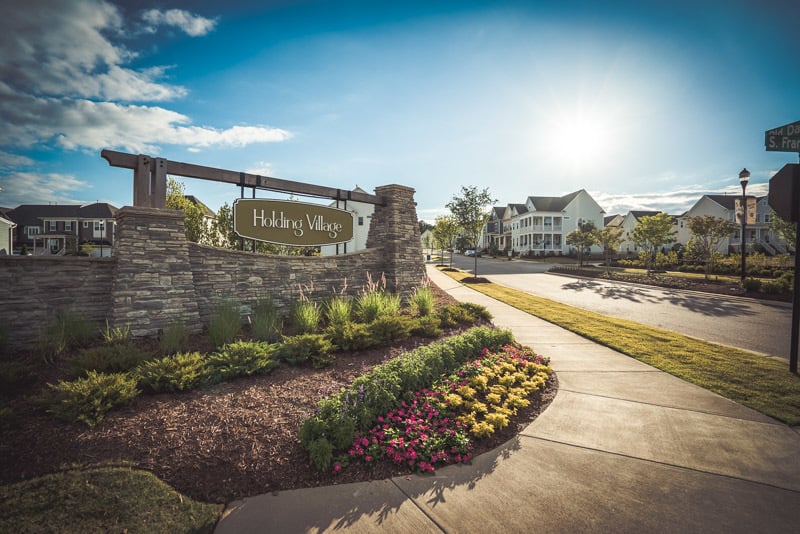
Holding Village is one of the newer master-planned communities in Wake Forest, designed with lifestyle and outdoor living in mind.
Key features include:
A 15-acre lake at the center of the community
Greenways and nature trails
Community parks and gathering spaces
New construction homes and townhomes
The development spans over 250 acres with more than 1,300 planned homes, offering a modern neighborhood design centered around outdoor living and community connections.
Traditions is another popular community known for its resort-style amenities and family-friendly atmosphere.
Residents enjoy:
Clubhouse, swimming pools, and fitness facilities
Amphitheater and playgrounds
Trails connecting to the Wake Forest Reservoir
Community events throughout the year
Homes in Traditions range from townhomes to large single-family homes, making it appealing to both first-time buyers and move-up buyers.
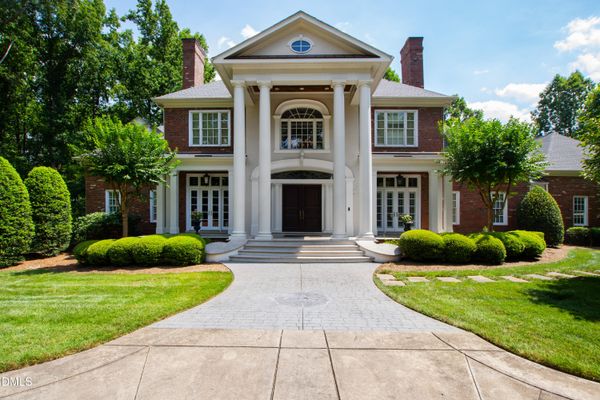
For buyers seeking luxury living, Hasentree is one of Wake Forest’s premier golf communities.
The neighborhood features:
A Tom Fazio designed golf course
Upscale homes and custom estates
Private club amenities
Resort-style pool and tennis facilities
Home prices in Hasentree are among the highest in Wake Forest, reflecting the neighborhood’s exclusive amenities and luxury lifestyle.
Located near the southern edge of Wake Forest, Wakefield Plantation is a golf course community that also offers convenient access to North Raleigh.
The neighborhood is known for:
Championship golf course
Established homes with mature landscaping
Excellent access to shopping, restaurants, and highways
Wakefield appeals to buyers who want the convenience of Raleigh with the lifestyle of a suburban golf community.
Wake Forest offers something for nearly every type of homebuyer. Housing options include:
New construction homes in master-planned communities
Luxury custom estates
Family-friendly suburban neighborhoods
Townhomes and low-maintenance living options
Home prices vary widely depending on the community, ranging from entry-level homes to luxury properties well above $1 million.
With a median household income of over $120,000 and strong educational attainment among residents, Wake Forest continues to attract professionals relocating to the Triangle region.
Many buyers relocating to the Raleigh area choose Wake Forest for several reasons:
Close proximity to Raleigh and the Research Triangle
Top-rated schools and family-friendly communities
Master-planned neighborhoods with modern amenities
Strong property value growth
Access to parks, lakes, and outdoor recreation
The town offers a lifestyle that blends suburban comfort, economic opportunity, and a strong sense of community, making it one of the most attractive destinations for homebuyers in the Triangle.
81,902 people live in Wake Forest, where the median age is 40.8 and the average individual income is $55,532. Data provided by the U.S. Census Bureau.
Total Population
Median Age
Population Density Population Density This is the number of people per square mile in a neighborhood.
Average individual Income
There's plenty to do around Wake Forest, including shopping, dining, nightlife, parks, and more. Data provided by Walk Score and Yelp.
Explore popular things to do in the area, including Rescue Dogs & Catering, Homebody's, and Mary & Mak.
| Name | Category | Distance | Reviews |
Ratings by
Yelp
|
|---|---|---|---|---|
| Dining | 2.5 miles | 5 reviews | 5/5 stars | |
| Shopping | 2.42 miles | 5 reviews | 5/5 stars | |
| Shopping | 0.4 miles | 6 reviews | 5/5 stars | |
| Active | 2.41 miles | 5 reviews | 5/5 stars | |
| Active | 3.74 miles | 16 reviews | 5/5 stars | |
| Beauty | 2.82 miles | 7 reviews | 5/5 stars | |
| Beauty | 2.85 miles | 9 reviews | 5/5 stars | |
| Beauty | 1.8 miles | 10 reviews | 5/5 stars | |
| Beauty | 3.1 miles | 8 reviews | 5/5 stars | |
| Beauty | 2.73 miles | 5 reviews | 5/5 stars | |
| Beauty | 2.91 miles | 14 reviews | 5/5 stars | |
|
|
||||
|
|
||||
|
|
||||
|
|
||||
|
|
||||
|
|
Wake Forest has 29,199 households, with an average household size of 2.77. Data provided by the U.S. Census Bureau. Here’s what the people living in Wake Forest do for work — and how long it takes them to get there. Data provided by the U.S. Census Bureau. 81,902 people call Wake Forest home. The population density is 779.2 and the largest age group is Data provided by the U.S. Census Bureau.
Total Population
Population Density Population Density This is the number of people per square mile in a neighborhood.
Median Age
Men vs Women
Population by Age Group
0-9 Years
10-17 Years
18-24 Years
25-64 Years
65-74 Years
75+ Years
Education Level
Total Households
Average Household Size
Average individual Income
Households with Children
With Children:
Without Children:
Marital Status
Blue vs White Collar Workers
Blue Collar:
White Collar:
Whether we're preparing a home to sell or negotiating a contract to close, we ensure that our clients are informed and involved, no matter where they are in the world. Contact us today!