Chapel Hill
Living in Chapel Hill NC: Neighborhood Guide, Real Estate, Lifestyle & Growth
Living in Chapel Hill NC: Neighborhood Guide, Real Estate, Lifestyle & Growth
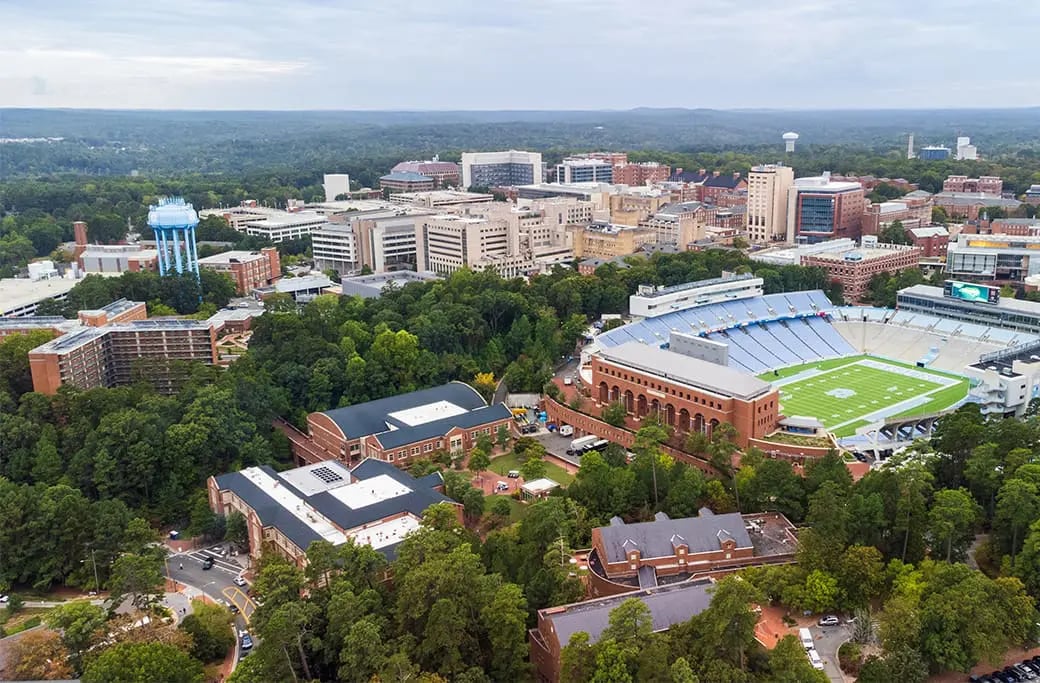
Located in Orange County, North Carolina, Chapel Hill is one of the most distinctive and sought-after communities in the Research Triangle region. Known for its historic charm, vibrant university culture, and tree-lined neighborhoods, the town blends small-town character with the innovation and economic strength of a major academic hub.
Chapel Hill is widely recognized as the home of the University of North Carolina at Chapel Hill, one of the nation’s oldest public universities. The campus and its medical and research facilities serve as a major driver of the local economy and contribute to the town’s highly educated population and global reputation.
The town itself has grown steadily over the past decade. Chapel Hill’s population is estimated at around 67,000 residents, reflecting continued growth and strong demand from professionals, students, and families drawn to the area’s quality of life.
Often referred to as “The Southern Part of Heaven,” Chapel Hill offers a unique mix of historic districts, modern developments, excellent schools, and a vibrant arts and dining scene.
Chapel Hill stands out in the Triangle for several key reasons:
1. World-Class Education & Innovation
The presence of UNC-Chapel Hill brings academic prestige, world-class healthcare, and continuous innovation to the area. The university enrolls more than 30,000 students across undergraduate and graduate programs.
2. Highly Educated Community
Approximately 77% of adults hold an associate degree or higher, making Chapel Hill one of the most educated municipalities in North Carolina.
3. Lifestyle & Culture
The town features walkable downtown streets, historic architecture, independent restaurants, performing arts venues, and easy access to outdoor recreation.
4. Location in the Research Triangle
Chapel Hill sits between Durham and Raleigh, with proximity to Research Triangle Park, one of the largest research and technology hubs in the United States.
Chapel Hill consistently ranks among the most desirable and higher-value housing markets in North Carolina, reflecting strong demand and limited land availability.
Several factors are shaping the town’s growth:
Expansion of university programs and medical facilities
Influx of highly educated professionals into the Triangle
Continued regional population growth across Raleigh-Durham
Increased housing demand tied to technology and life-science jobs
Local leaders are also encouraging new housing types such as duplexes, accessory dwelling units, and “missing-middle” housing to help meet demand and improve affordability.
Meadowmont is one of Chapel Hill’s most sought-after master-planned communities. Known for its walkability, it features a mix of luxury homes, townhomes, and condos surrounding a vibrant village center.
Highlights include:
Walkable restaurants and shops
Access to Meadowmont Village
Close proximity to UNC and I-40
This neighborhood attracts professionals, physicians, and university faculty who value convenience and lifestyle.
Southern Village is a charming new-urbanist neighborhood designed around a village center with restaurants, shops, and a movie theater.
What residents love:
Strong sense of community
Walkable lifestyle
Seasonal farmers markets and outdoor events
Southern Village is popular with families looking for a neighborhood atmosphere with modern conveniences.
Located just south of Chapel Hill, Briar Chapel is one of the region’s largest and most innovative planned communities.
Key features include:
Extensive trail networks
Resort-style pools and fitness facilities
Energy-efficient homes and sustainable design
This neighborhood appeals to buyers seeking modern homes and active outdoor living.
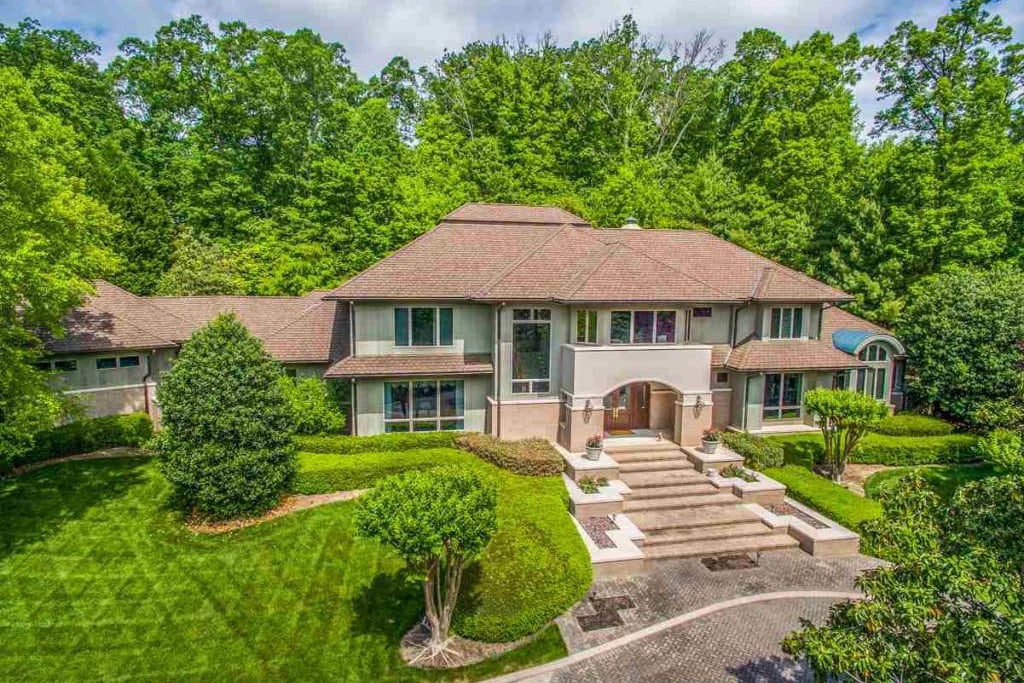
Governors Club is Chapel Hill’s premier gated golf community, offering luxury estates and scenic wooded homesites.
Highlights:
Private golf course and country club
Luxury custom homes
High level of privacy and security
It attracts executives, retirees, and luxury buyers looking for upscale living close to the Triangle’s employment centers.
Downtown Chapel Hill offers an energetic urban lifestyle centered around Franklin Street.
Residents enjoy:
Walkable restaurants and nightlife
Historic architecture
Cultural events and university activities
Homes here include historic properties, condos, and modern mixed-use developments.
Living in Chapel Hill means enjoying a balance of culture, nature, and academic energy.
Popular local experiences include:
Dining and nightlife along Franklin Street
Cultural events and athletics at UNC
Outdoor recreation at nearby parks and trails
Arts festivals and local markets
The community’s youthful energy—driven by the university—combined with established residential neighborhoods creates a unique environment where long-time residents and newcomers alike thrive.
For many homebuyers in the Triangle, Chapel Hill represents the ideal balance of prestige, lifestyle, and long-term investment potential.
Buyers are drawn to:
Top-ranked schools and universities
Strong real estate demand
Historic character and charm
Access to Raleigh, Durham, and Research Triangle Park
With its strong academic roots, thriving economy, and beautiful neighborhoods, Chapel Hill continues to be one of the most desirable places to live in North Carolina.
59,889 people live in Chapel Hill, where the median age is 25.8 and the average individual income is $50,216. Data provided by the U.S. Census Bureau.
Total Population
Median Age
Population Density Population Density This is the number of people per square mile in a neighborhood.
Average individual Income
There's plenty to do around Chapel Hill, including shopping, dining, nightlife, parks, and more. Data provided by Walk Score and Yelp.
Explore popular things to do in the area, including Box Turtle Bakery, The Sweet Tea Cafe, and Spira Pilates Studio.
| Name | Category | Distance | Reviews |
Ratings by
Yelp
|
|---|---|---|---|---|
| Dining · $ | 2.41 miles | 6 reviews | 5/5 stars | |
| Dining | 3.42 miles | 7 reviews | 5/5 stars | |
| Active | 2.47 miles | 5 reviews | 5/5 stars | |
| Active | 3.13 miles | 5 reviews | 5/5 stars | |
| Active | 0.82 miles | 7 reviews | 5/5 stars | |
| Active | 2.58 miles | 6 reviews | 5/5 stars | |
| Active | 1.35 miles | 5 reviews | 5/5 stars | |
| Nightlife | 4.82 miles | 6 reviews | 5/5 stars | |
| Beauty | 2.28 miles | 6 reviews | 5/5 stars | |
| Beauty | 1.35 miles | 30 reviews | 5/5 stars | |
| Beauty | 1.72 miles | 5 reviews | 5/5 stars | |
| Beauty | 2.28 miles | 5 reviews | 5/5 stars | |
| Beauty | 1.7 miles | 8 reviews | 5/5 stars | |
| Beauty | 4.52 miles | 8 reviews | 5/5 stars | |
| Beauty | 0.91 miles | 7 reviews | 5/5 stars | |
|
|
||||
|
|
||||
|
|
||||
|
|
||||
|
|
||||
|
|
Chapel Hill has 20,712 households, with an average household size of 2.36. Data provided by the U.S. Census Bureau. Here’s what the people living in Chapel Hill do for work — and how long it takes them to get there. Data provided by the U.S. Census Bureau. 59,889 people call Chapel Hill home. The population density is 2,772.99 and the largest age group is Data provided by the U.S. Census Bureau.
Total Population
Population Density Population Density This is the number of people per square mile in a neighborhood.
Median Age
Men vs Women
Population by Age Group
0-9 Years
10-17 Years
18-24 Years
25-64 Years
65-74 Years
75+ Years
Education Level
Total Households
Average Household Size
Average individual Income
Households with Children
With Children:
Without Children:
Marital Status
Blue vs White Collar Workers
Blue Collar:
White Collar:
Whether we're preparing a home to sell or negotiating a contract to close, we ensure that our clients are informed and involved, no matter where they are in the world. Contact us today!