Durham, North Carolina is one of the most dynamic and rapidly growing cities in the Southeast. Known for its rich history, thriving food scene, prestigious universities, and expanding tech sector, Durham has transformed from its historic tobacco roots into a vibrant hub for innovation, culture, and community. Located in the heart of the Research Triangle alongside Raleigh and Chapel Hill, Durham attracts professionals, families, students, and entrepreneurs who are drawn to its unique blend of historic charm and modern growth.
For homebuyers considering the Triangle area, Durham offers a diverse selection of neighborhoods—from historic districts and walkable urban communities to quiet suburban developments and luxury new construction communities.
What Makes Durham Special
Durham is widely recognized for its strong economic foundation and exceptional quality of life. The city is home to Duke University, one of the nation’s leading research institutions, and is a central part of the Research Triangle Park (RTP) region—one of the largest research parks in the world. Major employers in healthcare, biotechnology, pharmaceuticals, and technology continue to drive job growth and population expansion throughout the area.
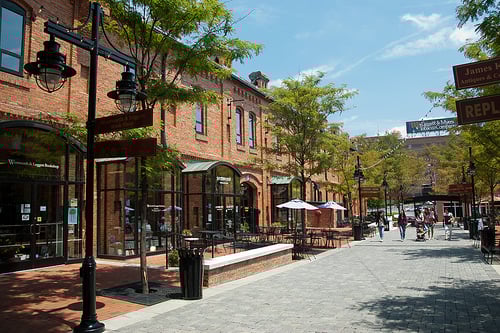
The city’s revitalized downtown district has become a major destination for dining, entertainment, and cultural experiences. Historic warehouses have been transformed into restaurants, breweries, apartments, and creative office spaces, while venues such as the Durham Performing Arts Center (DPAC) host nationally recognized Broadway productions and concerts.
Durham is also known for its award-winning culinary scene, diverse neighborhoods, and a strong sense of community that blends long-time residents with newcomers relocating from across the country.
Popular Neighborhoods in Durham
Downtown Durham
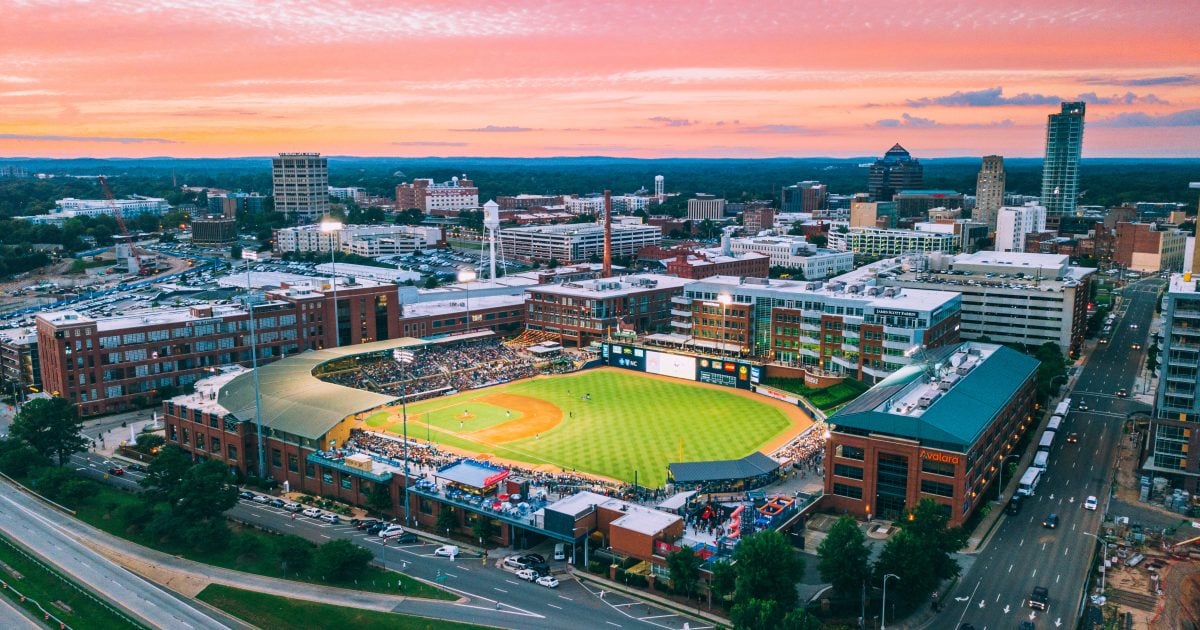
Downtown Durham is the cultural and economic heart of the city. Once an industrial tobacco center, the area has been revitalized into a vibrant urban environment filled with restaurants, loft-style condos, boutique hotels, and entertainment venues. Residents enjoy walkability to breweries, the Durham Bulls Athletic Park, DPAC, and numerous dining options.
Housing options include luxury condominiums, historic loft conversions, and new modern apartment developments. Downtown Durham appeals to professionals and buyers seeking an urban lifestyle with access to arts, nightlife, and employment centers.
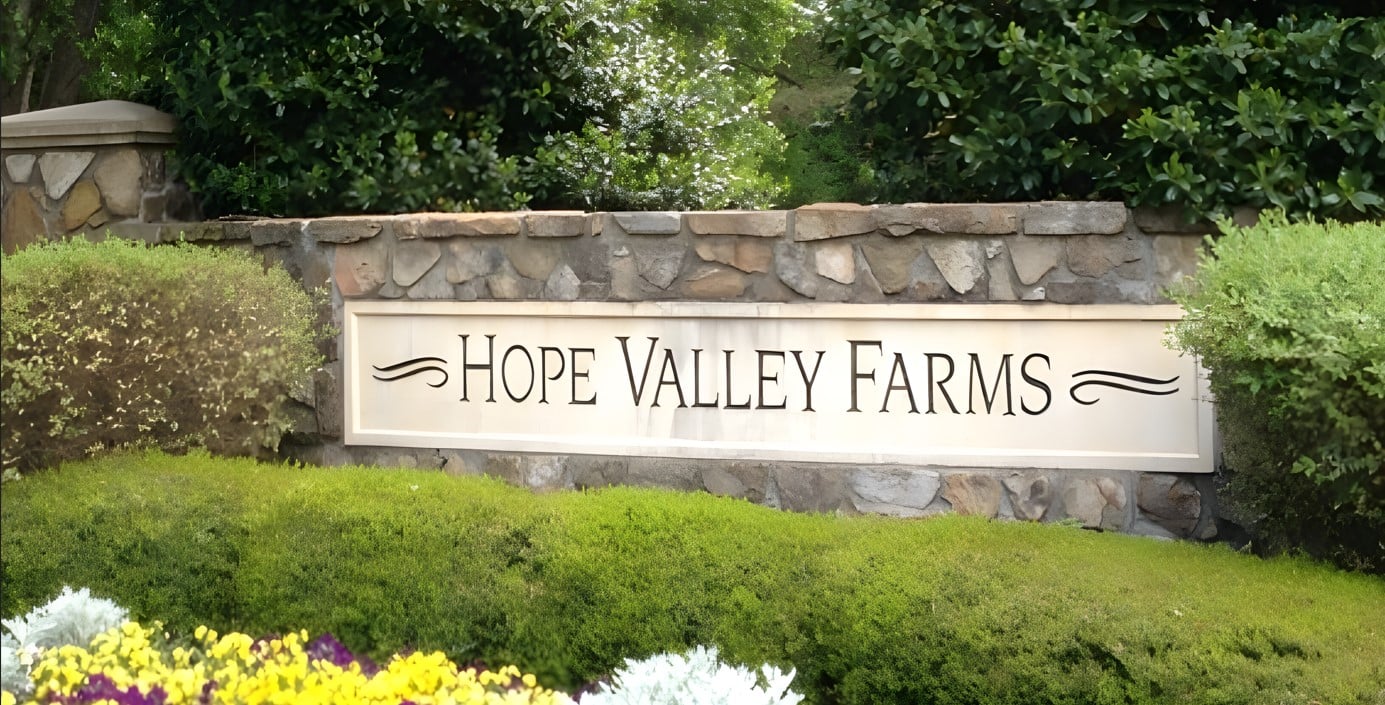
Hope Valley
Hope Valley is one of Durham’s most prestigious and established neighborhoods. Developed in the 1920s, the community features beautiful tree-lined streets, classic architecture, and homes surrounding the historic Hope Valley Country Club golf course.
Properties range from historic estates to renovated mid-century homes and newer luxury construction. Hope Valley remains one of Durham’s most desirable neighborhoods due to its location, character, and proximity to Duke University and downtown.
Southpoint
The Southpoint area has experienced significant growth over the past two decades and is one of the most popular areas for families relocating to Durham. Anchored by The Streets at Southpoint, a large regional shopping and dining destination, the area offers convenient access to Interstate 40 and Research Triangle Park.
Southpoint features many newer master-planned communities with amenities such as pools, walking trails, and community parks. Neighborhoods here attract professionals working in RTP as well as families seeking suburban living with nearby retail and entertainment.
Trinity Park
Trinity Park is one of Durham’s most charming historic neighborhoods. Located near Duke University’s East Campus, the area features beautifully preserved early-20th-century homes including Craftsman, Colonial Revival, and Victorian architecture.
The neighborhood offers a strong sense of community, walkability to downtown, and a picturesque residential setting with mature trees and historic character. Trinity Park remains highly sought after due to its architectural beauty and prime location.
Brier Creek Area
Located on the edge of Durham near the Raleigh border, Brier Creek offers a convenient suburban lifestyle with quick access to Raleigh-Durham International Airport and Research Triangle Park.
The area features a mix of townhomes, single-family homes, and golf course communities surrounding the Brier Creek Country Club. Residents enjoy proximity to shopping, restaurants, and major employers, making it popular among professionals relocating to the region.
Growth and Development in Durham
Durham continues to be one of the fastest-growing cities in North Carolina. The city’s population growth is driven by strong job creation, the expansion of technology and life sciences companies, and the continued success of Research Triangle Park.
Major redevelopment projects are transforming former industrial sites into mixed-use districts featuring office space, housing, retail, and green spaces. New residential communities are also expanding throughout Durham County, offering a wide range of housing options for first-time buyers, move-up buyers, and luxury homebuyers.
Infrastructure improvements, investments in parks and greenways, and continued economic development are positioning Durham for sustained growth in the coming years.
Lifestyle and Recreation
Durham offers an exceptional lifestyle with access to outdoor recreation, cultural attractions, and community events. Residents enjoy:
-
Extensive greenway trails and parks
-
The American Tobacco Campus entertainment district
-
Durham Bulls baseball games
-
Award-winning restaurants and breweries
-
Arts and music festivals throughout the year
Nearby natural areas such as the Eno River State Park provide hiking, kayaking, and outdoor adventure just minutes from the city center.
Why Buyers Are Choosing Durham
Durham’s combination of economic opportunity, cultural vibrancy, and diverse neighborhoods makes it one of the most attractive places to live in North Carolina. With its strong job market, historic character, and ongoing development, Durham continues to attract buyers from across the country looking for a balanced lifestyle in the heart of the Triangle.
Whether you're searching for a historic home near downtown, a luxury property in an established neighborhood, or a newer home near Research Triangle Park, Durham offers a wide variety of options for today’s homebuyers.
Looking to buy or sell a home in Durham, North Carolina?
The team at Landhuis Residential provides expert local market insight and personalized guidance to help you navigate Durham’s competitive real estate market and find the right home in the right neighborhood.